 11
11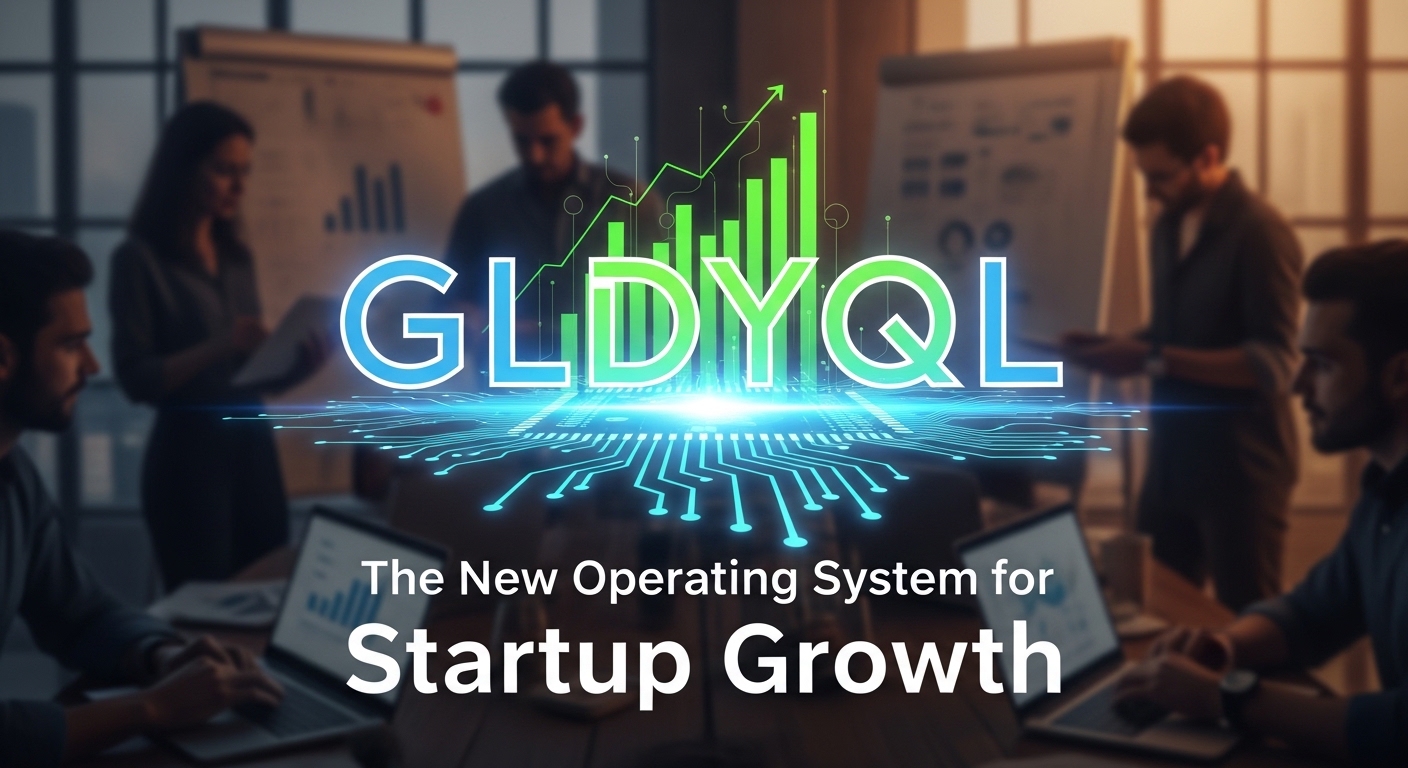
In the rapidly evolving digital world, new concepts, technologies, and frameworks appear almost daily. Among these emerging ideas, GLDYQL has begun to attract attention in technology discussions, innovation communities, and digital strategy circles. Although still relatively new, GLDYQL represents a broader shift toward smarter systems, adaptive platforms, and integrated digital ecosystems. Understanding GLDYQL can help businesses, developers, and technology enthusiasts prepare for the next wave of transformation.
This article explores what GLDYQL is, why it matters, how it works, and how it could influence industries in the coming years.
GLDYQL is best understood as a conceptual framework that combines intelligent data processing, scalable digital infrastructure, and adaptive learning systems. Rather than being a single technology or tool, GLDYQL represents an approach to designing systems that can learn, evolve, and optimize themselves over time.
At its core, GLDYQL focuses on three key principles:
These principles allow organizations to move beyond static software systems and instead build platforms that continuously improve based on user behavior, real-time data, and predictive analysis.
In simpler terms, GLDYQL represents the shift from traditional digital systems to self-optimizing digital environments.
Although the term GLDYQL is relatively new, the ideas behind it stem from several technological trends that have been developing for years. The increasing availability of data, improvements in computing power, and the rise of intelligent algorithms have made it possible to build systems that are more autonomous and responsive.
Early digital platforms were designed with fixed rules and structures. If changes were needed, developers had to manually update the system. However, modern technologies now allow systems to adapt automatically.
GLDYQL emerged as a conceptual model that brings together these advancements into a cohesive philosophy for building next-generation digital platforms.
To fully understand GLDYQL, it is helpful to examine its core components. These elements work together to create a flexible and intelligent system architecture.
Data is the foundation of the GLDYQL framework. Modern systems collect enormous amounts of information from users, devices, and networks. But merely gathering data is insufficient.
GLDYQL emphasizes the importance of intelligent data processing, which involves analyzing information in real time and extracting meaningful insights. This allows systems to understand patterns, predict future behaviors, and make informed decisions automatically.
Another key element of GLDYQL is adaptive learning. Systems built on this framework continuously improve their performance by learning from interactions and outcomes.
For example, a digital platform may observe how users interact with different features and automatically adjust the interface to improve usability. Over time, the system becomes more efficient and personalized.
Adaptive learning ensures that technology does not remain static but instead evolves alongside user needs.
Scalability is essential in today’s digital landscape. Businesses must be able to handle growing numbers of users, increasing data volumes, and expanding service offerings.
GLDYQL promotes infrastructure that can scale seamlessly without disrupting operations. Cloud-based systems, distributed computing models, and modular architectures play a critical role in supporting this scalability.
By combining scalability with intelligent processing, GLDYQL enables organizations to grow without sacrificing performance or reliability.
One of the most powerful aspects of GLDYQL is its emphasis on interconnected systems. Instead of isolated tools and applications, GLDYQL encourages the creation of integrated ecosystems where different technologies communicate and collaborate.
For example, a business platform might connect customer data, marketing analytics, supply chain management, and financial systems into a single intelligent environment.
This level of integration allows organizations to gain a comprehensive understanding of their operations and make better strategic decisions.

The significance of GLDYQL lies in its ability to address some of the most pressing challenges in modern digital systems.
Today’s organizations produce enormous volumes of data from various sources. Without effective frameworks, managing this data becomes overwhelming.
GLDYQL provides a structured approach to processing and analyzing data efficiently, enabling organizations to turn raw information into actionable insights.
Modern users expect personalized and responsive digital experiences. Static systems often fail to meet these expectations.
Because GLDYQL systems adapt to user behavior, they can deliver more relevant content, improved recommendations, and smoother interactions.
Automation and intelligent optimization are central to the GLDYQL philosophy. By allowing systems to adjust themselves based on performance metrics, organizations can reduce inefficiencies and improve productivity.
Perhaps most importantly, GLDYQL creates an environment where innovation can thrive. Flexible architectures allow businesses to experiment with new features, integrate emerging technologies, and respond quickly to market changes.
The potential applications of GLDYQL span a wide range of industries. As digital transformation accelerates, many sectors can benefit from adopting its principles.
Healthcare systems generate enormous amounts of data from patient records, medical devices, and research studies. GLDYQL frameworks could help healthcare providers analyze this data more effectively and deliver personalized treatment plans.
Adaptive systems could also support predictive diagnostics, helping doctors identify potential health risks earlier.
Financial institutions rely heavily on data analysis and risk assessment. GLDYQL-based platforms can improve fraud detection, automate compliance monitoring, and enhance investment strategies.
By continuously learning from market patterns, financial systems can become more responsive and accurate.
Retail businesses must understand customer behavior in order to remain competitive. GLDYQL systems can analyze shopping patterns, optimize inventory management, and deliver highly personalized recommendations to customers.
This level of intelligence can significantly improve customer satisfaction and sales performance.
Educational technology platforms can also benefit from GLDYQL. Adaptive learning systems can analyze student performance and tailor lessons to individual learning styles.
This personalized approach can make education more effective and engaging.

Despite its potential benefits, implementing GLDYQL is not without challenges.
Because GLDYQL systems rely heavily on data, protecting user privacy becomes a critical responsibility. Organizations must implement strong security measures and comply with data protection regulations.
Building adaptive and scalable systems requires advanced technical expertise. Many organizations may need to invest in new skills, tools, and infrastructure.
Integrating multiple systems into a unified ecosystem can be complex, especially for organizations with legacy technology. Transitioning to GLDYQL-based architectures may require significant planning and resources.
Looking ahead, GLDYQL could play a major role in shaping the future of digital technology. As artificial intelligence, machine learning, and automation continue to advance, the principles of GLDYQL will become increasingly relevant.
Future systems may be able to:
These capabilities could lead to a new generation of intelligent digital platforms that operate with unprecedented efficiency and flexibility.
Organizations interested in adopting GLDYQL principles can take several steps to prepare for this transformation.
Strong data management systems are essential for implementing GLDYQL. Organizations should focus on improving data collection, storage, and analysis capabilities.
Technical expertise in areas such as data science, machine learning, and cloud computing will become increasingly valuable. Building skilled teams is a crucial step toward adopting advanced digital frameworks.
GLDYQL thrives in environments that embrace innovation and experimentation. Organizations should cultivate a culture that encourages technological exploration and continuous improvement.
GLDYQL represents more than just a new technological buzzword. It reflects a broader shift toward intelligent, adaptive, and interconnected digital systems. By combining data-driven insights, scalable infrastructure, and adaptive learning, GLDYQL offers a powerful framework for building the next generation of digital platforms.
As industries continue to evolve, organizations that understand and adopt GLDYQL principles will be better positioned to navigate the complexities of the modern digital landscape. While challenges remain, the potential benefits—improved efficiency, enhanced user experiences, and greater innovation—make GLDYQL an exciting concept to watch in the years ahead.
More information