
 11
11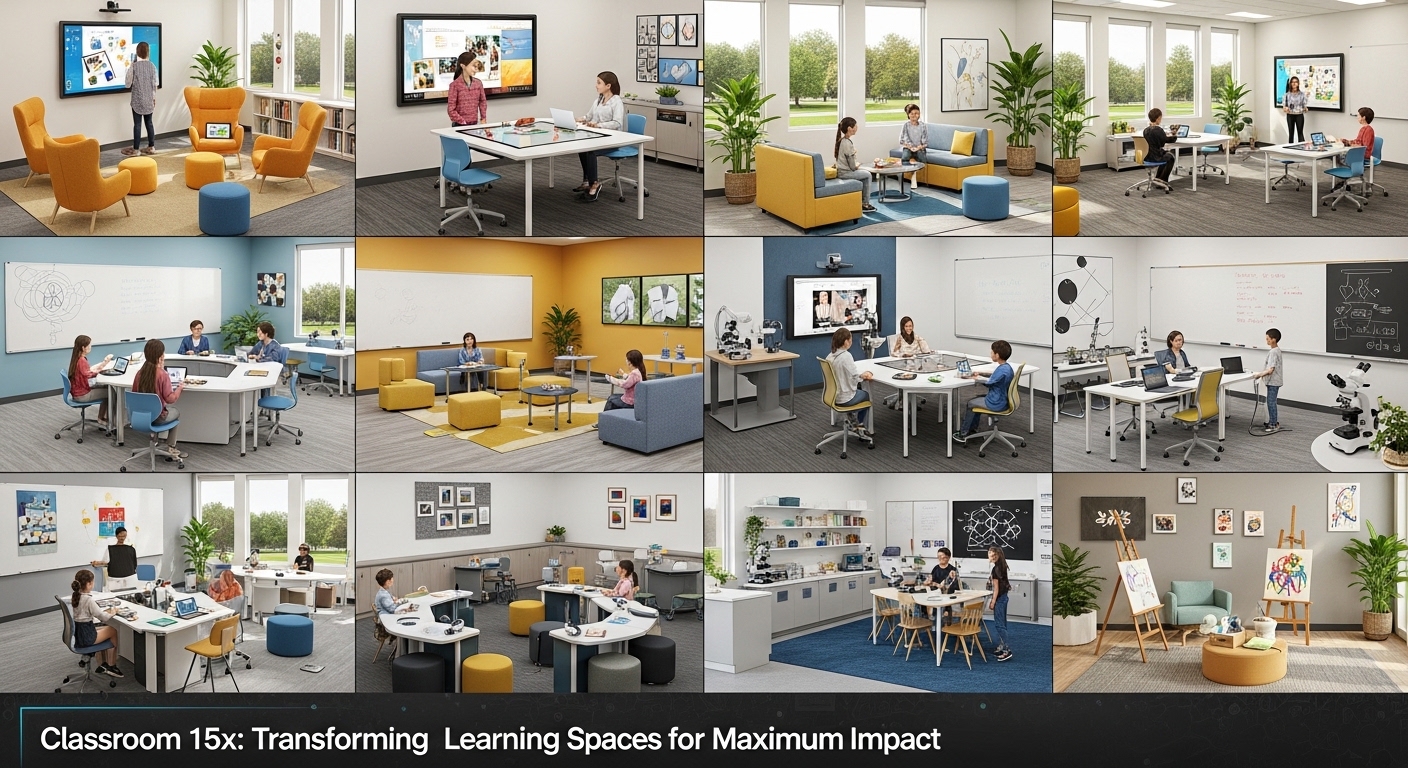
The concept of classroom 15x is reshaping how educators and institutions think about teaching, collaboration, and student engagement. In today’s rapidly evolving educational landscape, traditional layouts and rigid systems no longer meet the dynamic needs of learners. Schools are reimagining environments where creativity, technology, flexibility, and measurable performance intersect. This is where classroom 15x stands out—not as a trend, but as a structured, scalable model for multiplying learning outcomes while maintaining clarity and focus.
Education is no longer limited to chalkboards and rows of desks. Learners expect interactive experiences, personalized support, and digital integration. Teachers require systems that amplify productivity instead of increasing workload. A well-designed classroom 15x framework addresses both perspectives, delivering measurable academic growth while nurturing critical thinking and collaboration.
At its core, classroom 15x represents a model designed to increase engagement, efficiency, and academic output through strategic design and intelligent implementation. The “15x” idea symbolizes exponential improvement—not simply working harder, but working smarter.
Instead of focusing only on curriculum, classroom 15x integrates environment, technology, teaching style, assessment strategy, and student autonomy. The goal is to multiply results through alignment rather than complexity.
This approach typically includes:
When these elements work together, the classroom becomes an ecosystem rather than just a room.
Traditional classrooms were built around uniformity. Rows of desks faced a single teacher. Information flowed in one direction. Evaluation relied heavily on periodic testing. While this system served its purpose in the past, it struggles to meet modern demands.
Today’s learners are exposed to interactive media, instant information, and global collaboration. A static teaching model cannot compete with that environment. The classroom 15x framework evolved as a response to this gap.
Instead of replacing teachers with technology, it enhances their impact. Instead of overwhelming students with content, it structures knowledge into digestible, interactive modules. The transformation is strategic, not chaotic.

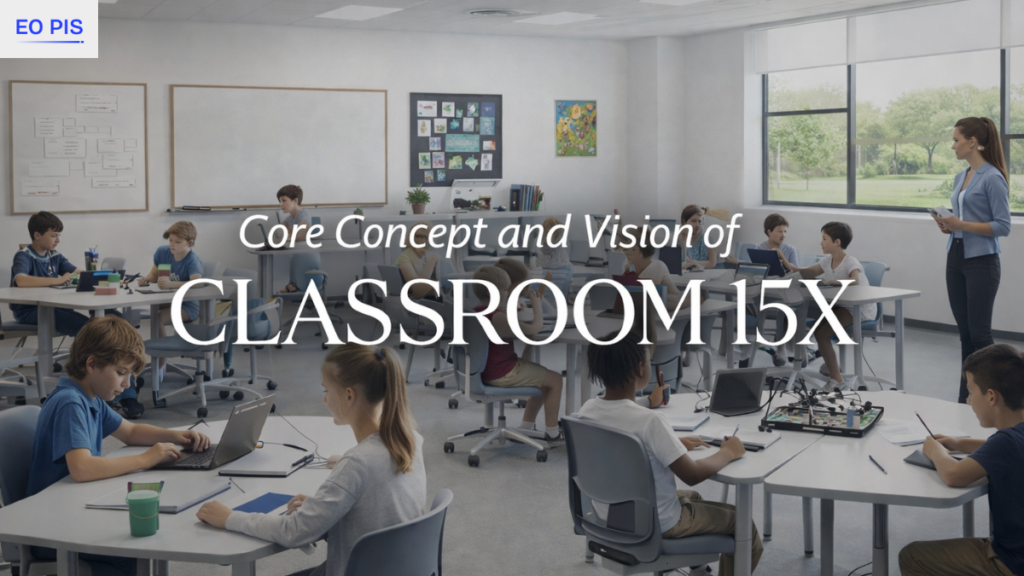
A classroom designed for 15x performance does not look rigid. Furniture is movable. Spaces shift depending on activity—lecture mode, group collaboration, independent study, or project presentation.
This flexibility encourages participation. Students feel ownership of the environment. Movement also increases energy and attention levels, which directly influences retention.
In a classroom 15x environment, technology is purposeful. Smart boards, tablets, and learning management systems streamline communication and assessment. Real-time quizzes, interactive simulations, and instant feedback tools eliminate guesswork in understanding student progress.
Technology does not dominate instruction; it amplifies it. Teachers can instantly identify knowledge gaps and adjust accordingly.
Modern classrooms generate measurable insights. Attendance patterns, participation rates, quiz results, and assignment completion data create a comprehensive learning profile for each student.
With classroom 15x systems, educators interpret this data to refine lesson pacing and strategy. The result is precision teaching instead of generalized instruction.
Rather than positioning students as passive listeners, the classroom 15x model emphasizes inquiry, collaboration, and applied problem-solving. Students debate ideas, design projects, and engage in peer learning.
This builds confidence and long-term retention.
Learning environments influence cognitive performance more than many realize. Lighting, layout, noise levels, and visual stimulation affect concentration and mood.
A properly structured classroom 15x space prioritizes:
Students in well-designed environments report higher engagement and reduced anxiety. Teachers also experience lower burnout rates when their workspace supports productivity.
Educators often face overwhelming administrative tasks. Planning, grading, and classroom management consume time that could be spent on creative instruction.
The classroom 15x model integrates systems that reduce repetitive workload. Automated grading for objective assessments, digital assignment submissions, and centralized communication tools simplify processes.
As efficiency increases, teachers can focus on mentorship and innovation. The multiplier effect becomes visible in both academic results and job satisfaction.
Collaboration is one of the most valuable skills in modern society. Businesses, research institutions, and global organizations rely on team-based problem solving.
Classroom 15x environments are intentionally structured to foster group learning. Rotational seating, discussion pods, and shared digital workspaces encourage dialogue.
When students learn to articulate ideas and critique respectfully, they build skills that extend beyond academics.
Every student learns differently. Some thrive in visual settings; others prefer auditory instruction or hands-on experimentation.
Through structured flexibility, classroom 15x systems enable differentiated instruction. Teachers can provide tiered assignments or adaptive digital modules that align with individual skill levels.
Personalization reduces frustration for struggling learners and prevents boredom among advanced students. Balanced challenge levels increase motivation.
Standardized testing has long dominated evaluation systems. While tests provide measurable benchmarks, they often fail to capture creativity and practical understanding.
In a classroom 15x framework, assessment includes:
Continuous assessment creates a clearer picture of comprehension. Students receive feedback in smaller increments, allowing timely correction.
Digital fluency is no longer optional. Students must understand not only how to consume information but also how to evaluate and create it responsibly.
The classroom 15x approach integrates digital literacy into everyday learning. Research assignments emphasize credibility evaluation. Collaborative tools teach digital etiquette. Creative software encourages production rather than passive consumption.
These skills prepare learners for both academic advancement and professional environments.
Transitioning to a classroom 15x model requires planning. Budget constraints, resistance to change, and training gaps can slow adoption.
Successful implementation often includes:
Change becomes sustainable when stakeholders understand the measurable benefits.
The term “15x” symbolizes exponential growth in engagement, efficiency, and achievement. Schools implementing structured reform often observe:
While results vary, consistent alignment between environment, strategy, and technology drives noticeable improvement.
Institutional leadership determines whether innovation thrives or stalls. Administrators must support teachers with training, resources, and encouragement.
A classroom 15x culture values experimentation. Teachers feel safe testing new instructional strategies without fear of failure. Feedback loops between staff and leadership maintain momentum.
Strong leadership ensures sustainability rather than temporary change.
Consider a middle school science classroom redesigned using classroom 15x principles. Instead of passive lectures, students rotate through experiment stations. Digital dashboards track lab results in real time. Group discussions follow each experiment, encouraging reflection.
In a language arts classroom, students collaborate on multimedia storytelling projects. Peer feedback sessions refine drafts before final submission. Technology streamlines editing, while teacher guidance ensures depth of analysis.
These practical applications demonstrate how classroom 15x transforms theory into action.
Students educated in optimized environments develop stronger executive functioning skills. Time management, collaboration, and self-assessment become habitual.
Over time, classroom 15x strategies cultivate:
These outcomes extend beyond report cards. They shape future leaders.
The educational landscape will continue evolving. Artificial intelligence, immersive simulations, and remote collaboration tools are expanding rapidly.
A classroom 15x model is flexible enough to integrate emerging technologies without losing structure. Its strength lies in alignment—every element serves a clear educational purpose.
Schools that adopt adaptive frameworks remain resilient amid change.
Education thrives when structure and creativity coexist. The classroom 15x model represents a deliberate, strategic shift toward multiplied outcomes through alignment, flexibility, and data-driven precision. By redesigning environments, empowering teachers, and centering students, institutions create learning ecosystems capable of exponential growth.
Rather than chasing trends, classroom 15x focuses on measurable improvement. It values clarity over clutter and engagement over routine. When implemented thoughtfully, it transforms not only academic performance but also the culture of learning itself.