
 11
11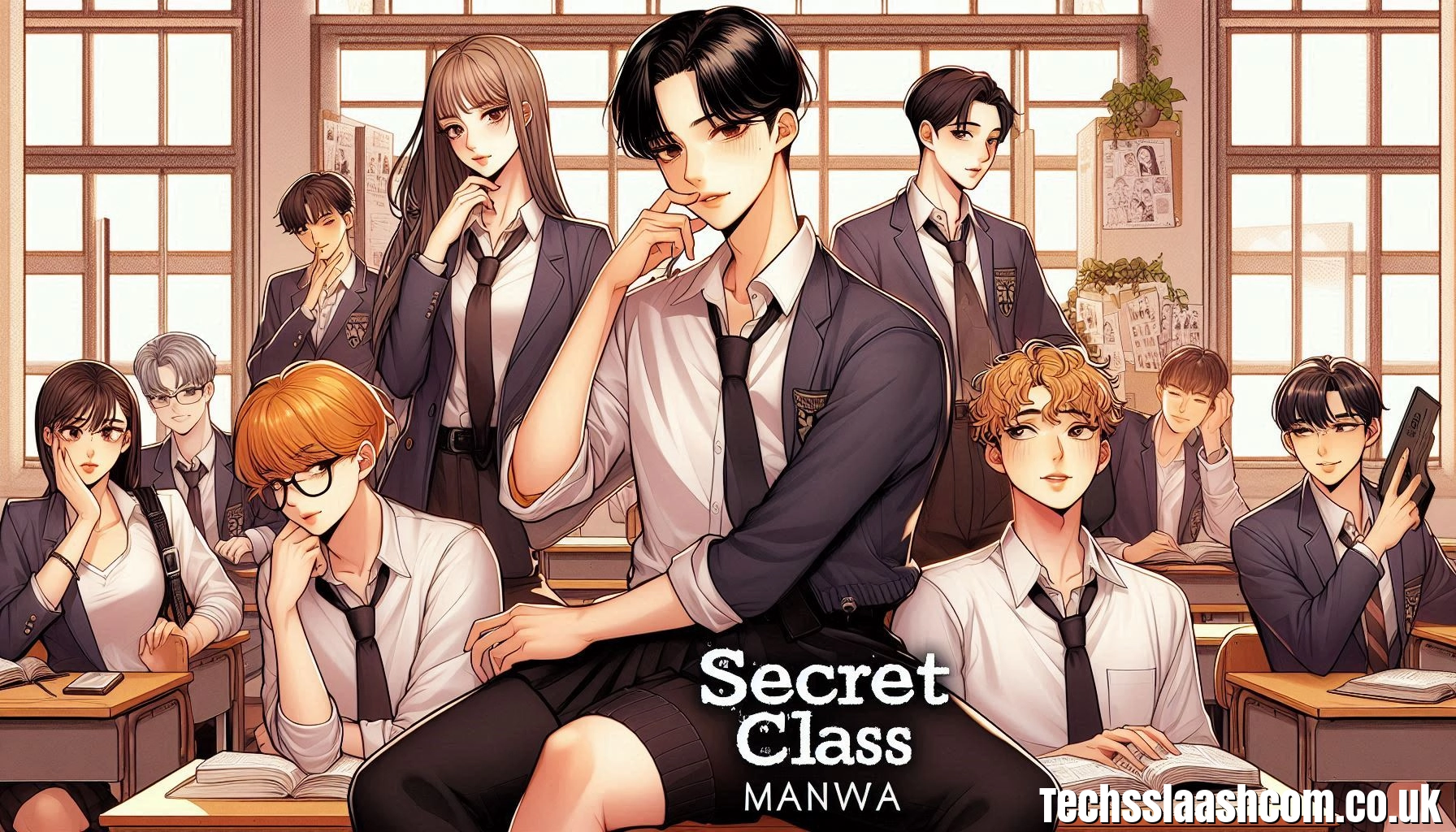
In recent years, Korean comics—commonly known as manhwa—have gained massive global popularity. Among the many trending titles, Secret Class (مانهوا الدرس السري) has become one of the most talked-about series, especially among adult readers. Known for its mature themes, dramatic storytelling, and eye-catching artwork, Secret Class stands out as a controversial yet widely consumed webtoon.
This article explores everything you need to know about Secret Class manhwa, including its plot, characters, themes, reasons behind its popularity, and the debates surrounding it.
Secret Class is a Korean adult webtoon (manhwa) that revolves around a young man named Dae Ho and his complicated life after being raised in a friend’s household. The story mixes drama, romance, and explicit adult content, making it suitable only for mature audiences.
Unlike traditional romance stories, Secret Class focuses on taboo relationships, emotional conflicts, and the protagonist’s journey of self-discovery—primarily through unconventional experiences.
The manhwa is serialized online and has gained a massive following across various digital comic platforms.
The story begins with Dae Ho, a young man who lost his parents at an early age. He is taken in by his father’s close friend and grows up in their home alongside the friend’s wife and daughters.
However, Dae Ho grows up extremely naive, particularly about relationships and intimacy. As he reaches adulthood, the women around him begin to “teach” him about these aspects of life—thus forming the central premise of the story: the “secret class.”
From this point onward, the narrative becomes increasingly complex, involving:
The storyline is not linear in terms of emotional development; instead, it evolves through episodic encounters that shape Dae Ho’s personality and worldview.
Dae Ho is the protagonist of Secret Class. Initially portrayed as innocent and clueless, he undergoes significant transformation throughout the story.
His character represents:
However, his decisions often lead to controversial and ethically questionable situations, which is one of the reasons the story sparks debate among readers.
Mia is one of the central female characters and plays a major role in introducing Dae Ho to adult relationships.
Her character traits include:
Mia is not simply a love interest—she is a driving force in Dae Ho’s transformation.
Su Ah is another important character who adds emotional depth to the story.
She represents:
Compared to Mia, Su Ah’s interactions with Dae Ho often feel more emotionally driven rather than purely physical.
Other characters contribute to the layered storytelling by introducing different perspectives on relationships, morality, and desire.
Each character:
At its core, Secret Class is a coming-of-age story—but unlike traditional ones, it focuses heavily on adult experiences and taboo topics.
Dae Ho’s journey is about:
One of the most controversial aspects of the manhwa is its portrayal of taboo dynamics. These elements are a major reason for both its popularity and criticism.
The story challenges societal norms, which:
Many relationships in Secret Class involve imbalanced power dynamics.
This theme highlights:
A recurring theme is the conflict between desire and moral boundaries.
Characters often:
One of the biggest reasons behind the success of Secret Class is its high-quality artwork.
The visuals enhance:
The artist pays close attention to body language and expressions, making scenes feel more immersive and realistic.
The manhwa is not afraid to explore themes that many stories avoid. This boldness attracts readers looking for something unconventional.
Despite its controversial nature, the story is highly engaging.
Cliffhangers and episodic twists:
Dae Ho’s transformation keeps readers invested. Watching his personality evolve over time adds depth to the narrative.
As mentioned earlier, the artwork plays a huge role in its success.
In the world of digital comics:

While Secret Class is popular, it is also heavily criticized.
The portrayal of certain relationships raises serious moral questions.
Critics argue that:
Some readers believe the manhwa focuses too much on explicit scenes rather than storytelling.
Characters often make questionable decisions without facing realistic repercussions.
The answer depends on the reader’s preferences.

Secret Class is part of a larger trend in the manhwa industry.
With platforms making comics easily accessible:
Modern readers are:
Compared to other romance or drama manhwa:
| Aspect | Secret Class | Traditional Manhwa |
|---|---|---|
| Theme | Mature, taboo | Romance, fantasy |
| Tone | Bold, controversial | Emotional, light |
| Audience | Adults only | General audience |
| Story Style | Episodic, intense | Structured, gradual |
This difference is what makes Secret Class stand out—but also what makes it divisive.
Secret Class (مانهوا الدرس السري) is a manhwa that thrives on controversy, emotional tension, and bold storytelling. It is not a typical romance or drama series—instead, it explores the complexities of human relationships in a way that is both engaging and provocative.