 11
11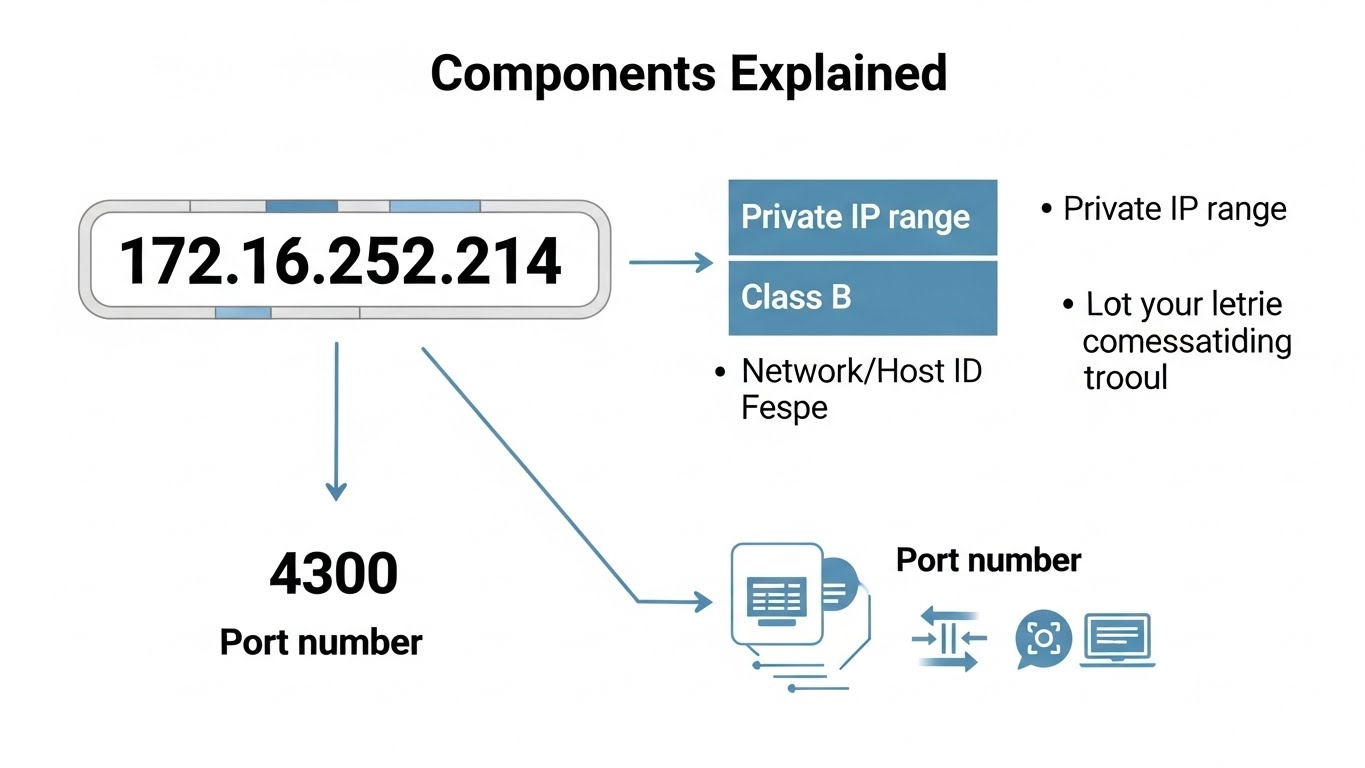
In the world of networking, encountering an IP address like 172.16.252.214.4300 can prompt questions about its purpose, configuration, and potential use cases. Understanding such a specific address is crucial for IT professionals, network administrators, and enthusiasts who want to optimize their network systems and ensure security. In this article, we’ll break down everything you need to know about 172.16.252.214.4300, covering its structure, functionality, and applications.
At first glance, 172.16.252.214.4300 appears to be an IP address with an additional port number. In networking, IP addresses identify devices on a network, while port numbers specify particular services or applications running on those devices. The IP segment 172.16.252.214 belongs to the private IP range defined by RFC 1918, meaning it is typically used within internal networks rather than on the public internet. The number 4300 likely represents a port, indicating a specific service or application hosted on that device.
Understanding the structure is key to utilizing 172.16.252.214.4300 effectively. The address consists of:
Many organizations and IT setups rely on private IP addresses like 172.16.252.214.4300 for various purposes:
While 172.16.252.214.4300 is not directly accessible from the public internet, it’s essential to maintain security protocols. Misconfigured services on port 4300 could become entry points for unauthorized access. Best practices include:
Network administrators often encounter issues with addresses like 172.16.252.214.4300. Common troubleshooting steps include:
Proper configuration and monitoring of such IP addresses are vital for smooth network operations and optimal performance.
As networks become more complex, addresses like 172.16.252.214.4300 may serve in advanced setups such as virtual private networks (VPNs), cloud-based testing environments, or isolated server clusters. The combination of private IPs with custom ports allows organizations to scale services internally without conflicting with public internet addresses.
Understanding 172.16.252.214.4300 is more than just recognizing an IP and port number. It represents a critical component of internal networking, enabling secure communication, service hosting, and efficient network management. Properly leveraging this address can improve network performance, enhance security, and facilitate innovative IT solutions.