
 11
11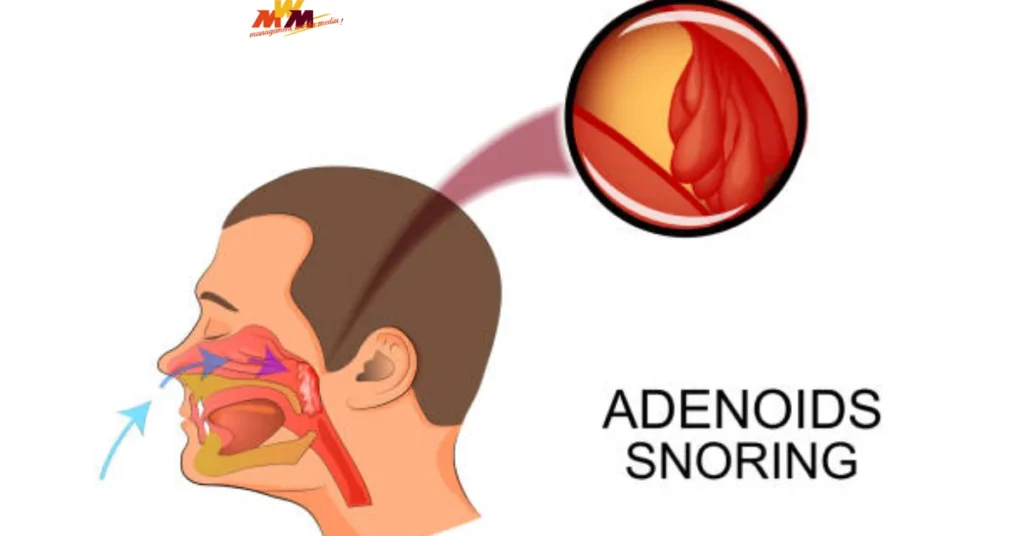
Adenoidid, commonly referred to as adenoid inflammation (often medically related to adenoiditis), is a health condition that affects the adenoids — a mass of lymphatic tissue located at the back of the nasal cavity. Although it is more common in children, adenoidid can also affect adults in certain cases. Understanding this condition is essential because it directly impacts breathing, sleep quality, ear health, and overall respiratory function.
This comprehensive article explores everything you need to know about adenoidid, including its meaning, causes, symptoms, diagnosis, treatment options, complications, and prevention methods. By the end of this guide, you will have a clear and in-depth understanding of adenoidid and how to manage it effectively.
Adenoidid refers to the inflammation or infection of the adenoids. The adenoids are part of the immune system and play a vital role in trapping bacteria and viruses that enter through the nose. When these tissues become swollen or infected, it can lead to breathing difficulties, nasal blockage, and recurring infections.
Adenoidid is often associated with enlarged adenoids, which can obstruct the airway and interfere with normal breathing. While adenoids typically shrink as a child grows older, persistent inflammation can cause long-term issues if not treated properly.
The adenoids are located in the upper part of the throat, behind the nose. They function as a defense mechanism by identifying harmful microorganisms and preventing infections from spreading deeper into the respiratory system.
Key functions of adenoids include:
However, when the adenoids themselves become infected or inflamed, they can cause more harm than good.
Several factors can contribute to the development of adenoidid. Understanding the root causes helps in proper treatment and prevention.
Bacterial infections are one of the most common causes of adenoid inflammation. Repeated exposure to bacteria can cause the adenoids to swell and become infected.
Viruses such as the common cold or flu can trigger adenoidid by causing inflammation in the upper respiratory tract.
Chronic allergies can irritate the nasal passages and lead to persistent swelling of the adenoids.
Frequent sinus infections can spread inflammation to nearby tissues, including the adenoids.
Exposure to pollution, smoke, and dust can increase the risk of adenoid inflammation, especially in children.
Individuals with weakened immunity are more prone to repeated infections that may result in adenoidid.
The symptoms of adenoidid can vary depending on the severity of the inflammation. Some symptoms are mild, while others can significantly affect daily life.
Recognizing these symptoms early can help prevent complications and ensure timely treatment.
Adenoidid is most common in children because their immune systems are still developing. Enlarged or infected adenoids can lead to:
Children may also develop a nasal voice or constantly breathe through their mouth.
Although less common, adults can also experience adenoidid. In adults, it may be linked to chronic infections, allergies, or underlying sinus issues. Persistent nasal blockage and sleep disturbances are common signs in adults.
Proper diagnosis is essential for effective treatment. Doctors typically use several methods to diagnose adenoidid.
The doctor will ask about symptoms, frequency of infections, and breathing issues.
A thorough examination of the nose, throat, and ears helps detect signs of inflammation.
A small camera may be used to view the adenoids and assess their size and condition.
X-rays or other imaging techniques can help determine the size of the adenoids and airway obstruction.
If allergies are suspected, allergy tests may be recommended to identify triggers.
Treatment depends on the severity of the condition and the age of the patient.
If the inflammation is caused by a bacterial infection, antibiotics may be prescribed.
These help reduce swelling and improve breathing.
Steroid nasal sprays can reduce inflammation and relieve nasal congestion.
Useful in cases where allergies contribute to adenoid swelling.
Some mild cases of adenoidid can be managed with supportive care:
These remedies help reduce irritation and support recovery.
In severe or chronic cases, doctors may recommend adenoid removal surgery, known as adenoidectomy. This procedure is safe and commonly performed, especially in children with recurring infections or breathing problems.
Benefits of adenoidectomy include:
If left untreated, adenoidid can lead to several complications that affect overall health and quality of life.
Swollen adenoids can block the Eustachian tubes, leading to repeated ear infections and hearing issues.
Severely enlarged adenoids can obstruct airflow, causing sleep apnea and poor sleep patterns.
In children, prolonged mouth breathing may affect speech development and facial growth.
Untreated adenoidid can increase the frequency of throat and sinus infections.
Chronic nasal obstruction can reduce oxygen intake, affecting concentration and daily performance.
While not all cases can be prevented, certain steps can significantly reduce the risk of developing adenoidid.
Regular handwashing helps prevent infections that may affect the adenoids.
Controlling allergies reduces chronic nasal inflammation.
Minimize exposure to smoke, dust, and environmental pollutants.
A balanced diet, regular exercise, and adequate sleep support a strong immune system.
Treating colds, sinus infections, and throat infections early can prevent complications involving the adenoids.
Adopting healthy lifestyle habits can help manage symptoms and improve overall well-being.
These simple lifestyle adjustments can make a significant difference in recovery and long-term health.
You should consult a healthcare professional if:
Early medical intervention prevents complications and ensures faster recovery.
With advancements in medical technology and diagnostic tools, the treatment and management of adenoidid have significantly improved. Modern surgical techniques are safer, minimally invasive, and offer quicker recovery times. Additionally, better awareness about respiratory health and early diagnosis contributes to improved outcomes.
Ongoing research in immunology and respiratory care continues to enhance treatment approaches, making it easier to manage adenoid-related conditions effectively.
Adenoidid is a significant yet manageable health condition that primarily affects the respiratory and immune systems. From nasal blockage and breathing difficulties to sleep disturbances and recurrent infections, its impact can be wide-ranging if left untreated. However, with early diagnosis, proper medical care, and preventive measures, adenoidid can be effectively controlled and treated.
Understanding the causes, symptoms, and treatment options empowers individuals and parents to take proactive steps toward better health. Whether through medication, lifestyle changes, or surgical intervention in severe cases, timely management ensures improved breathing, better sleep, and enhanced quality of life. By prioritizing respiratory health and seeking medical advice when necessary, the complications of adenoidid can be minimized, leading to long-term wellness and comfort.
More information