
 11
11
In a world where information moves faster than ever, metamagazine represents a new generation of digital publishing that blends creativity, authority, and community engagement. Unlike traditional online blogs that focus solely on content volume, metamagazine stands out by prioritizing depth, design, and reader experience. It captures the pulse of modern culture while maintaining editorial integrity, making it more than just another website in the crowded digital landscape.
Digital publishing has evolved dramatically over the past decade. Early online platforms emphasized speed and search rankings, often sacrificing quality for clicks. However, readers today are more selective. They look for insight, clarity, and authenticity. This shift created space for platforms like metamagazine, which focus on meaningful storytelling rather than surface-level coverage.
A metamagazine approach values long-form features, expert commentary, and curated visuals. It combines the timeless structure of traditional magazines with the flexibility of online platforms. Readers can explore in-depth perspectives on technology, lifestyle, culture, business, and innovation—all within a cohesive editorial framework.
Instead of publishing dozens of short posts daily, metamagazine focuses on carefully selected topics. Every piece is designed to inform, inspire, or challenge readers. This curated model builds trust and encourages return visits.
A defining characteristic of metamagazine is its consistent tone. Articles feel polished, purposeful, and thoughtfully constructed. Rather than chasing trends blindly, it interprets them through expert analysis.
Presentation matters. Clean layouts, strategic visuals, and intuitive navigation ensure that readers stay engaged. The metamagazine format often emphasizes readability, with structured headings and clear flow.
Authority in the digital age depends on credibility. A metamagazine builds this credibility through well-researched insights and balanced opinions. Businesses, entrepreneurs, and creatives often turn to metamagazine-style platforms to showcase thought leadership.
Because the content is curated and professionally presented, readers perceive it as more trustworthy. This perception influences brand recognition, partnerships, and long-term audience loyalty. When a platform consistently delivers valuable information, it becomes a reference point within its niche.
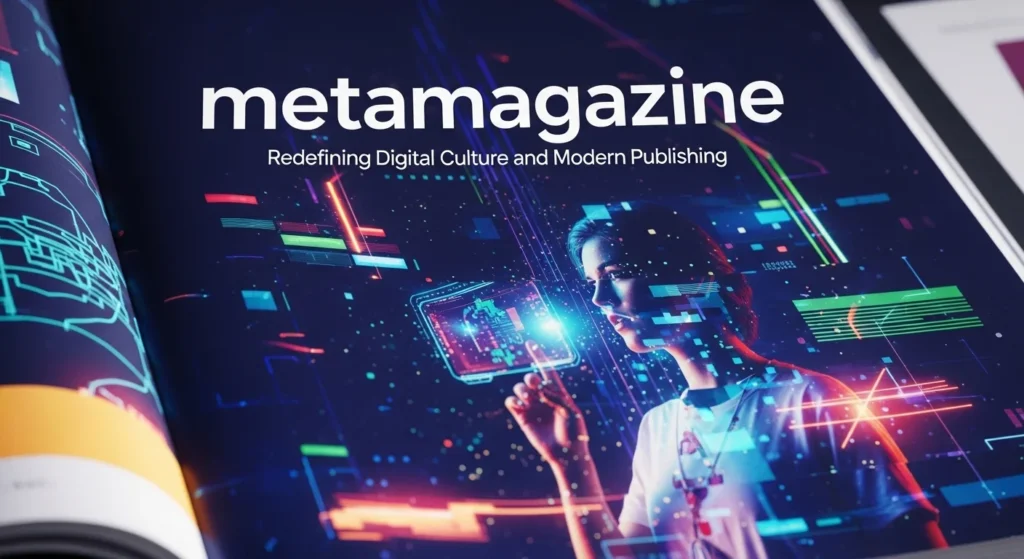
Successful metamagazine platforms follow a deliberate strategy. They define a clear niche or thematic direction and maintain consistency across topics. Whether focusing on emerging technologies, cultural commentary, or lifestyle trends, the editorial direction remains cohesive.
Search optimization also plays a critical role. However, instead of overloading articles with repetitive keywords, a metamagazine integrates SEO naturally. It balances search visibility with readability, ensuring that articles rank well while maintaining professional tone.
Audience engagement is another key factor. Comments, community discussions, and social sharing amplify reach. A metamagazine thrives when readers feel involved, not just informed.
Brands are increasingly drawn to metamagazine platforms because of their reputation for quality. Featuring a product or service within a metamagazine context enhances credibility. The association suggests depth, expertise, and industry awareness.
Unlike traditional advertising spaces, a metamagazine often integrates brand features organically. This method provides value to readers while supporting business objectives. As a result, both the platform and the brand benefit from authentic alignment.
Creating a thriving metamagazine requires planning and discipline. The first step is identifying a clear audience. Understanding reader expectations allows editors to craft relevant, compelling stories.
Consistency follows. Publishing regularly without compromising quality establishes reliability. A metamagazine must also invest in strong editorial guidelines, ensuring that every article aligns with the platform’s standards.
Monetization strategies may include sponsored features, premium memberships, or curated partnerships. However, transparency is crucial. Trust is the foundation of any successful metamagazine, and preserving it should always remain the priority.
The internet has transformed magazines from glossy paper editions into dynamic digital platforms. Early online magazines simply replicated print layouts. Over time, however, audiences demanded more personalization, multimedia storytelling, and interactive experiences. This shift gave rise to platforms that do more than inform—they engage, adapt, and evolve.
A metamagazine thrives in this environment because it operates beyond static content. It recognizes that modern readers want depth, credibility, and relevance. Instead of chasing trends blindly, a metamagazine analyzes them, interprets them, and presents insights that matter. This layered approach makes it more sustainable and valuable in the long run.
A traditional blog may focus on one topic, but metamagazine embraces multiple perspectives within a unified editorial voice. For example, an article about artificial intelligence might explore its impact on business, creativity, ethics, and daily life—all in one narrative. This interconnected structure keeps readers engaged longer and builds authority.
The strength of metamagazine lies in its ability to weave themes together without losing clarity. Readers do not feel overwhelmed; instead, they feel informed and inspired.
Digital audiences skim, scan, and search for value quickly. A successful metamagazine understands this behavior and structures content accordingly. Clear headings, concise paragraphs, and meaningful subtopics guide readers naturally through each piece.
Rather than stuffing content with keywords or filler text, metamagazine prioritizes readability. Every section serves a purpose, and every paragraph contributes insight.
Modern publishing is no longer one-sided. Readers expect interaction, feedback opportunities, and a sense of belonging. A metamagazine fosters community by encouraging dialogue and embracing diverse perspectives.
This community-driven model enhances credibility. When readers feel heard, they return not just for information but for connection.
Businesses and creators are increasingly aware that authority cannot be built overnight. Trust requires consistent, high-quality content that demonstrates expertise. A metamagazine becomes a powerful tool in this process.
Instead of publishing scattered blog posts, brands can use the metamagazine model to build structured knowledge hubs. Articles connect logically, forming a content ecosystem that strengthens search visibility and reader loyalty. Over time, this approach signals reliability to both audiences and search engines.
By focusing on meaningful insights rather than volume alone, metamagazine creates long-term value. It supports thought leadership while maintaining accessibility.
One of the most common mistakes in digital publishing is prioritizing quantity over quality. Endless short posts may drive temporary traffic, but they rarely establish authority. Metamagazine counters this trend by emphasizing depth.
Each article within a metamagazine framework explores topics thoroughly. It anticipates reader questions and answers them clearly. This comprehensive approach reduces bounce rates and increases time on page—two critical indicators of engagement.
Moreover, in-depth content encourages sharing. When readers discover genuine value, they naturally recommend it to others.
Search engine optimization is essential, but it must be handled intelligently. Metamagazine integrates SEO seamlessly without disrupting readability. Keywords appear naturally within context, and headings reflect real user intent.
Rather than forcing optimization, metamagazine aligns with how people actually search. Informational queries, comparison topics, and expert guides are addressed in a structured way. This strategic alignment enhances visibility while preserving authenticity.
The result is balanced content that appeals to algorithms and humans alike.

Technology evolves quickly. Platforms rise and fall. Audience preferences shift. A rigid publication struggles in such an environment, but metamagazine adapts.
It experiments with formats—long-form essays, interviews, opinion pieces, data-driven reports—while maintaining consistent editorial standards. This flexibility ensures longevity. Readers trust metamagazine because it evolves without sacrificing quality.
Adaptability also means staying ahead of emerging conversations. Instead of reacting late to trends, metamagazine anticipates shifts and provides early insights.
Sustainability in digital media requires strategy. Monetization options such as sponsored features, premium content, and partnerships must align with audience expectations. A metamagazine integrates these elements carefully.
Transparency is key. Readers appreciate honesty about collaborations and sponsored material. When trust remains intact, monetization does not compromise credibility.
Furthermore, a sustainable metamagazine invests in research and editorial integrity. Fact-based insights, thoughtful analysis, and balanced perspectives ensure long-term relevance.
The future of digital publishing points toward personalization and immersive experiences. A metamagazine is well-positioned to adapt because of its flexible yet structured format. Interactive storytelling, multimedia integration, and data-driven personalization are likely to shape its evolution.
As audiences demand substance over noise, platforms that emphasize clarity and authority will thrive. The metamagazine model supports thoughtful journalism while remaining adaptable to technological change.
In an environment saturated with fleeting trends, metamagazine represents stability and sophistication. It proves that digital publishing can be both engaging and intellectually rewarding.
The rise of metamagazine reflects a broader shift in how readers consume information. People no longer want endless scrolling; they seek insight, credibility, and meaningful engagement. By combining curated content, strategic design, and authoritative voice, metamagazine offers a modern blueprint for digital excellence.
For publishers, brands, and content creators, adopting a metamagazine mindset means focusing on value rather than volume. When quality leads the strategy, growth follows naturally. In the ever-changing digital ecosystem, metamagazine stands as a model for sustainable, reader-focused publishing.