 11
11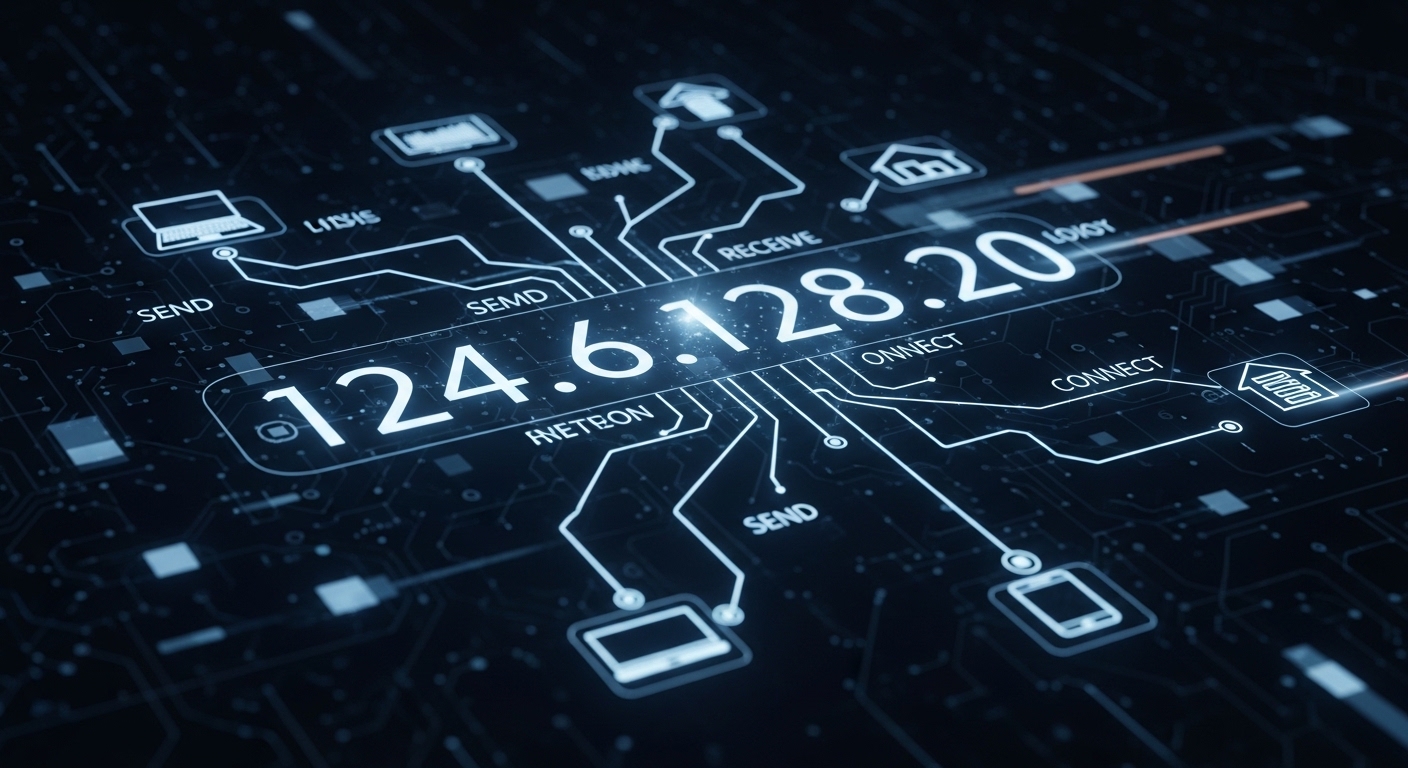
The IP address 124.6.128.20 is an example of how numerical identifiers quietly power the modern internet. Every device connected online relies on IP addresses to send, receive, and route information correctly. While many users never think about them, understanding what an address like 124.6.128.20 represents can be valuable for troubleshooting, security awareness, and basic network literacy. This article explains its role, structure, and practical relevance in a clear and accessible way.
At its simplest level, 124.6.128.20 is an IPv4 address. IPv4 addresses consist of four numerical blocks separated by dots, each ranging from 0 to 255. These addresses act like digital locations, allowing servers, websites, and devices to find one another across the internet. When a system references 124.6.128.20, it is pointing to a specific node within a larger network environment.
The structure of 124.6.128.20 follows the standard IPv4 format. Each segment plays a role in identifying the network and the host within that network. The first portion typically relates to the broader network allocation, while the later numbers narrow the location down to a specific device or service. This layered structure allows efficient routing, ensuring that data packets reach their intended destination without unnecessary delays.
IP addresses such as 124.6.128.20 are essential for internet communication. Without them, devices would have no reliable way to locate each other. They support everything from loading websites to sending emails and accessing cloud services. For administrators and developers, knowing how to interpret an address like 124.6.128.20 helps diagnose connectivity issues and optimize network performance.
An address like 124.6.128.20 can be associated with a server, router, or online service. In hosting environments, it may point to a web server handling user requests. In corporate networks, it might identify an internal resource or gateway. Understanding how 124.6.128.20 is used within a system helps maintain reliability and security across digital operations.
Security is a major reason to understand addresses like 124.6.128.20. IP addresses are often logged to monitor access patterns and detect suspicious behavior. If unusual traffic is detected from or toward 124.6.128.20, it may indicate misconfiguration or unauthorized access attempts. Proper monitoring and access control ensure that IP-based systems remain protected against misuse.
IP addresses can be static or dynamic. A static address like 124.6.128.20 remains consistent over time, making it ideal for servers and fixed services. Dynamic addresses change periodically and are commonly used for consumer devices. Knowing whether 124.6.128.20 is static or dynamic helps determine its reliability for long-term connections and service hosting.
When network issues arise, checking connectivity to 124.6.128.20 can provide valuable insights. Administrators may test response times, verify routing paths, or inspect firewall rules related to the address. These steps help isolate problems and restore stable communication. Even basic users benefit from recognizing how IP addresses function during troubleshooting scenarios.
In today’s interconnected world, IP addresses like 124.6.128.20 are foundational elements of digital infrastructure. They enable scalability, allowing billions of devices to coexist online. As networks grow more complex, understanding how individual addresses fit into the larger system becomes increasingly important for efficiency and reliability.
The IP address 124.6.128.20 may appear as a simple sequence of numbers, but it represents a crucial component of internet communication. From routing data to supporting security and troubleshooting, its role is both practical and essential. Gaining a basic understanding of how addresses like 124.6.128.20 work empowers users and professionals alike to navigate digital environments with greater confidence.