
 11
11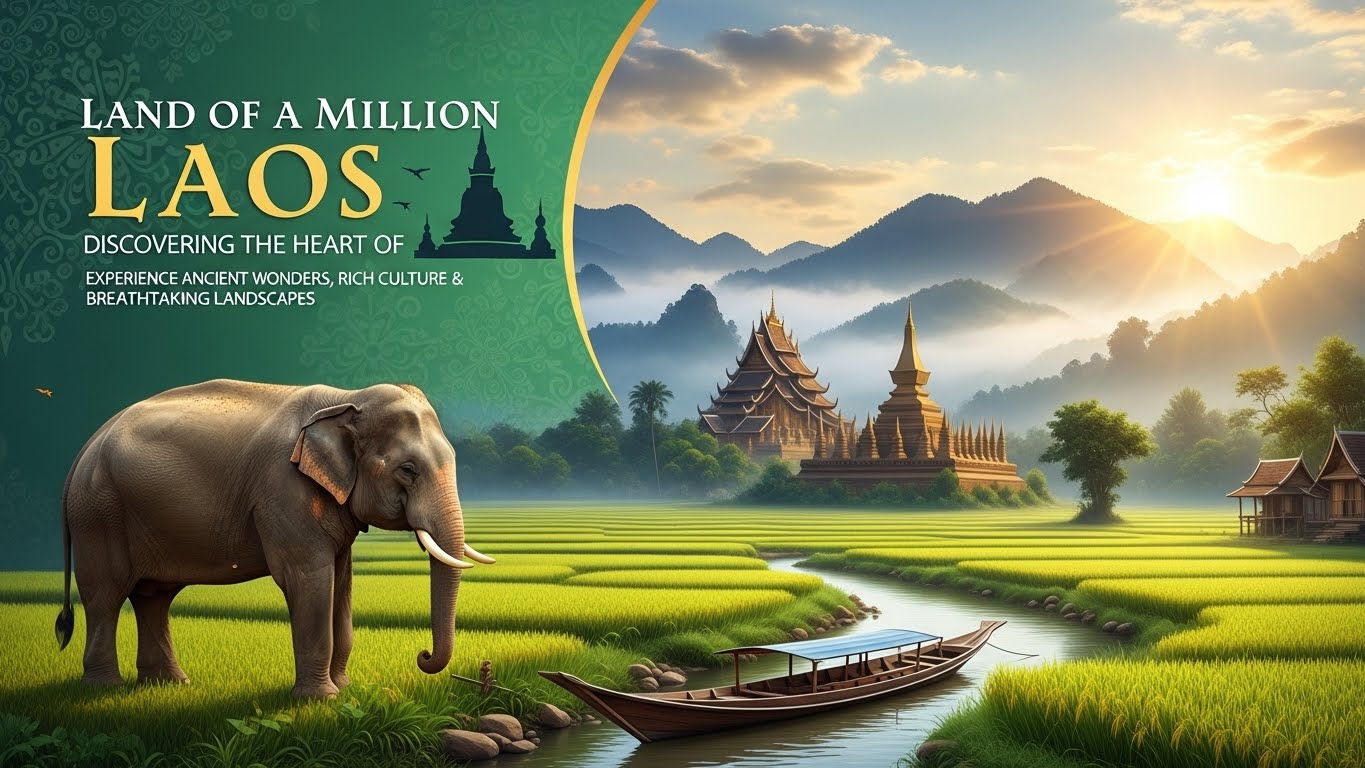
The phrase land of a million elephants immediately conjures images of lush landscapes, majestic wildlife, and rich cultural heritage. This term is an enduring nickname for the Southeast Asian country of Laos, reflecting its historical abundance of elephants and the important role they have played in the nation’s identity.
Known for its serene rivers, dense forests, and traditional villages, the land of a million elephants offers travelers a unique glimpse into a world where nature and culture intertwine harmoniously. Understanding why Laos is called the land of a million elephants requires exploring both its history and contemporary significance.
Historically, the land of a million elephants was a powerful kingdom in Southeast Asia, often referred to as Lan Xang, which translates to “Land of a Million Elephants.” During its peak, the kingdom wielded considerable influence in the region due to its military strength, often symbolized by its elephants.
Elephants were considered sacred animals, representing strength, wisdom, and prosperity. They played a critical role in warfare, transport, and ceremonial events. Even today, the legacy of elephants in Laos influences cultural practices, festivals, and national symbolism, preserving the link between the country’s identity and its natural heritage.
In Laotian culture, elephants are more than just animals; they are revered symbols of spiritual and societal values. Traditional ceremonies often feature elephant imagery, and many legends describe the intelligence and loyalty of these majestic creatures.
The land of a million elephants is dotted with historical temples and monuments where elephant motifs are intricately carved. These artistic depictions highlight the respect and admiration that Lao people have held for elephants for centuries. Additionally, elephants have inspired folklore, music, and dance, making them central to both historical narratives and contemporary cultural expression.
The land of a million elephants is not only culturally rich but also ecologically diverse. Laos boasts extensive forests, rolling mountains, and winding rivers that create ideal habitats for wildlife, including elephants. Although the population of wild elephants has declined over the years, conservation efforts are underway to protect and reintroduce these animals to their natural environments.
Visitors to the land of a million elephants can witness these efforts firsthand through ethical wildlife sanctuaries and eco-tourism initiatives, which focus on sustainability and education. These experiences provide insight into the delicate balance between nature and human development in Laos.
Modern travelers seeking to explore the land of a million elephants will find a combination of historical treasures and natural wonders. Cities like Luang Prabang and Vientiane offer glimpses of traditional Lao architecture, vibrant markets, and riverfront life along the Mekong.
Adventurous visitors can trek through national parks, explore hidden waterfalls, or take boat trips on tranquil rivers, all while enjoying the serene landscapes that define the country. Throughout these experiences, the symbolism of elephants remains ever-present, reminding travelers of the deep-rooted connection between the nation’s people and these magnificent animals.
The land of a million elephants hosts a variety of festivals where elephants are celebrated as cultural icons. Boun Ok Phansa, the end-of-Buddhist Lent festival, is a major event where locals gather to honor traditions and perform rituals, often highlighting elephant imagery.
These festivals combine religious devotion with communal activities, showcasing the importance of heritage and wildlife preservation. Experiencing such festivals allows visitors to appreciate the rich tapestry of beliefs, customs, and values that continue to define Laos as the land of a million elephants.
The land of a million elephants is more than a poetic nickname—it is a reflection of Laos’ historical might, cultural richness, and ecological significance. From ancient kingdoms and revered traditions to modern conservation efforts and scenic landscapes, elephants remain central to the nation’s identity. Exploring the land of a million elephants offers travelers and scholars alike an opportunity to connect with a living history where nature, culture, and spirituality coexist beautifully. This enchanting country stands as a testament to the enduring legacy of elephants and the people who honor them.